

- Regular price 2,50Unit priceUnavailable
-
- Regular price 2,60Unit priceUnavailable
-
- Regular price 2,50Unit priceUnavailable
-
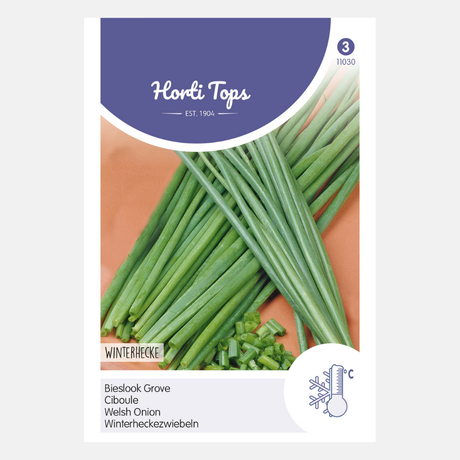
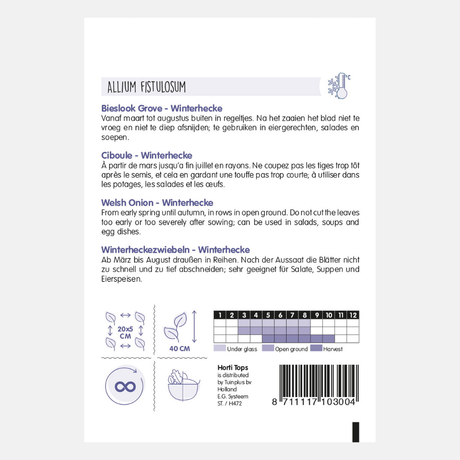
Coarse Chives - Allium Fistulosum
Regular price 2,50Unit priceUnavailable-
- Regular price 3,10Unit priceUnavailable
-
- Regular price 3,10Unit priceUnavailable
-
Seed pads Chives 'Prager' 4x 8cm
Regular price 3,30Unit priceUnavailable-


You may also like
View all-
Runner bean, yellow 'Capitano' BIO
Regular price 4,85Unit priceUnavailable -
-
Regular price 5,50Unit priceUnavailable
-
-
Regular price 3,10Unit priceUnavailable
-
-
Regular price 3,30Unit priceUnavailable
-
-
Regular price 5,50Unit priceUnavailable
-
-
Regular price 3,30Unit priceUnavailable
-
-
Regular price 5,50Unit priceUnavailable
-
-
Radish 'French Breakfast 2' BIO
Regular price 3,30Unit priceUnavailable -








Sowing chives: fresh from your own garden from six weeks
From seed to fresh chives for your sauces, soups or salads in six to eight weeks
Growing your own chives is easy and delicious
Sowing chives is one of the easiest ways to get fresh herbs from your own garden. This plant is ideal for beginner gardeners. You can grow it just as well in pots as in the ground, on the balcony, or simply on the windowsill.
This hardy perennial will produce its first green shoots after just a few weeks. This initial growth often consists of thin blades, a sign that the chives are developing well. And if you treat them right, you'll enjoy them for years to come.
Why choose chives from seed?
More and more people prefer to sow their own chives rather than buy seedlings. And for good reason:
- Germinates in seven to fourteen days
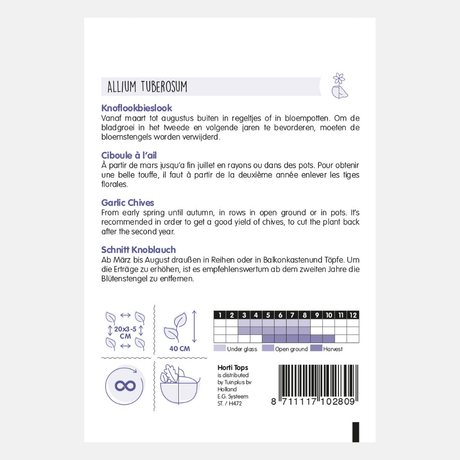
- Can be kept indoors from March to September, or outdoors from April to August
- Comes back every year without reseeding
- Requires little care
- Grows well in sun and partial shade
- Suitable for pot, balcony, garden or vegetable garden
- Sowing once is often enough for multiple harvests: you can harvest a lot with one plant, but with multiple plants you will have a fuller bush
You can easily start seedlings indoors before planting them outside.
You can easily buy chive seeds online. This way, you can quickly start growing your own fresh herbs.
Which type suits you?
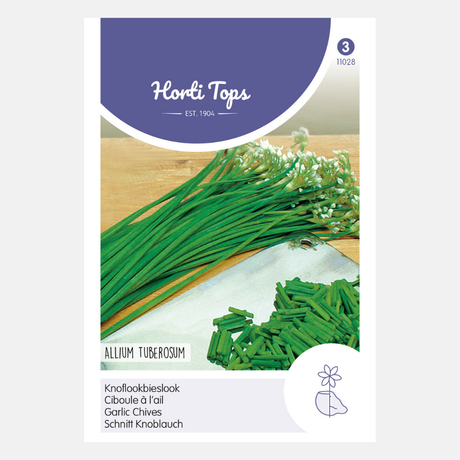
There are several varieties of chives. Classic chives, also called fine chives, have thin, hollow blades with a mild onion flavor. Coarse chives are a bit spicier and firmer. Garlic chives, as the name suggests, have a subtle garlic aroma. Chives belong to the onion family (Allium schoenoprasum), which also includes other related onion species. Whichever you choose, chives are always a delicious flavor enhancer.
How to sow chives in four steps
1. Choose the right time. Sow indoors from March and outdoors from April. Spring is ideal because chive seeds like to have some cold first.
2. Sow shallowly in loose soil. Scatter ten to twenty seeds per pot or cluster. Use good potting soil for sowing and cover with a thin layer of soil. Leave six inches (15 centimeters) between clusters.
3. Keep the soil slightly moist. The seeds will germinate within two to four weeks. The first sprouts look a bit like mini leeks. Wait to transplant until the sprouts are about 10 cm tall and large enough to go outside.
4. Harvest after six to eight weeks. Cut the stems back to three centimeters above the ground once the shoots are large enough, usually when they are twelve centimeters tall. Your plant will then continue to grow happily.
Extra tip: you can also easily propagate chives by dividing the plant in the spring.
Tips for healthy growth and care
Chives are hardy, but a little love can work wonders. Provide airy, nutrient-rich soil and water regularly. Don't overwater, as chives don't like wet feet. Regularly snip off a few stalks before use. This keeps the plant growing vigorously.
Tip: Remove flower stalks or flower stems as soon as they appear to encourage foliage growth and a richer harvest. Incidentally, the flower stalks are also edible and attract bees.
You can transplant older chive plants to another spot in the garden to rejuvenate them and encourage growth.
And keep an eye out for aphids, especially in summer.
What makes sowing chives so special?
- The seed likes the cold for a good germination start
- Chives naturally grow in clumps, so sowing in groups works well
- Chives do well in the border, where you can plant them together with carrots and leeks for a healthy combination crop.
- Chives should not be missing in the herb garden, where they provide flavour and a beautiful appearance
- Chinese chives are a nice alternative with a subtle garlic flavor
- Chives also help against aphids and carrot flies in the vegetable garden
Flowering, harvest and winter dormancy
Chives bloom from May to July with purple flowers and small blossoms that are not only edible but also attractive to pollinators like bees and butterflies. These flowers are a valuable food source for all kinds of pollinators in the garden. If you mainly want lots of foliage, it's best to remove the flowers.
Harvest chives from May to October. Always cut just above the ground and never all at once; this keeps the plant healthy and allows it to continue growing. You can use both the leaves and the flowers in salads or stir-fries.
After a few years, the chive clumps grow larger. It's wise to divide the clumps to ensure the plants stay healthy and can reproduce well.
In winter the foliage disappears, but in early spring the chives sprout again after winter dormancy.
Protect your chives: prevent diseases and pests
Chives are such a lovely perennial plant that they're usually easy to care for, but with a little love and attention, you can keep your chive plants healthy and productive. Whether you choose common chives, Chinese chives, garlic chives, or coarse chives, you give yourself the best chance by sowing your chive seeds in nutrient-rich, moist soil. This will help those little plants get started and prevent them from developing diseases later on.
It's best to water regularly, especially after a dry spell. Chives prefer moist soil, but they absolutely hate wet feet. By keeping the soil slightly moist, you'll ensure your plants stay strong and don't suffer from nasty mold or other problems. Also, regularly pull any weeds around them – those green invaders steal the water and nutrients your chives crave.
Sowing chives directly in the ground truly produces stronger plants that are less susceptible to pests that can crop up in pots. In the ground, the roots can develop deep, making your plant much more resilient.
Keep a close eye on your chives regularly for unwanted visitors, such as aphids. Do you see any tiny creatures on your blades? Simply rinse them off with water from your spray bottle—don't worry, it works perfectly. This way, you can keep your chives healthy without needing any complicated products.
With these handy tips, you can protect your chives from diseases and pests, so you can enjoy a bountiful harvest all season long. Whether you're tossing chives in your salad, stirring them into soups, or using them in other dishes, healthy plants mean you'll always have fresh chives with that delicious garlic flavor at your fingertips. This way, chives will remain an indispensable herb in your kitchen and garden!
From garden to plate
Use fresh chives in soups, sauces, salads, or as a garnish. The flowers are also edible. Chives add extra flavor to any dish, especially fish dishes. The delicious garlic flavor of Chinese chives makes them a real flavor enhancer in stir-fries and salads, for example. Chives are also ideal for making herb butter. Pick what you need or freeze any leftovers in a bag for later use. This way, you'll have flavor at your fingertips all year round. Place a pot on your patio or among your herbs in the garden and you'll always have a cheerful green picking corner.
Start sowing today
By growing chives from seed, you'll save on expensive supermarket pots and bring something beautiful and delicious into your home. It's easy, quick, and suitable for anyone with a bit of sun and a place to sow. Start today and harvest your first fresh chives within a few weeks.