

- Regular price 3,10Unit priceUnavailable
-
- Regular price 3,85Unit priceUnavailable
-
- Regular price 3,10Unit priceUnavailable
-
- Regular price 2,25Unit priceUnavailable
-
- Regular price 3,30Unit priceUnavailable
-
- Regular price 3,10Unit priceUnavailable
-
- Regular price 2,15Unit priceUnavailable
-
- Regular price 2,50Unit priceUnavailable
-
- Regular price 3,10Unit priceUnavailable
-
- Regular price 3,10Unit priceUnavailable
-
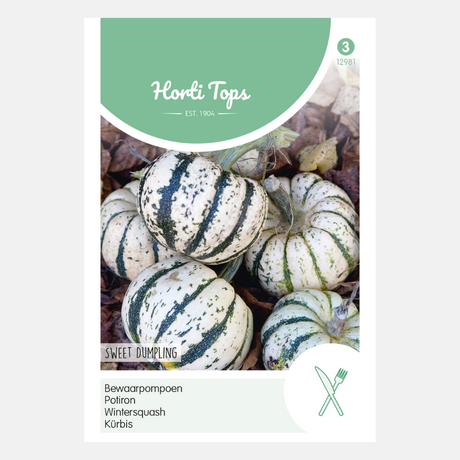
Pumpkin 'Winter Sweet Dumpling'
Regular price 2,50Unit priceUnavailable-
- Regular price 3,30Unit priceUnavailable
-
- Regular price 2,50Unit priceUnavailable
-
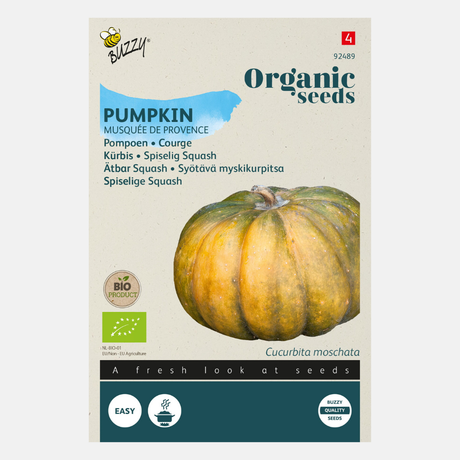
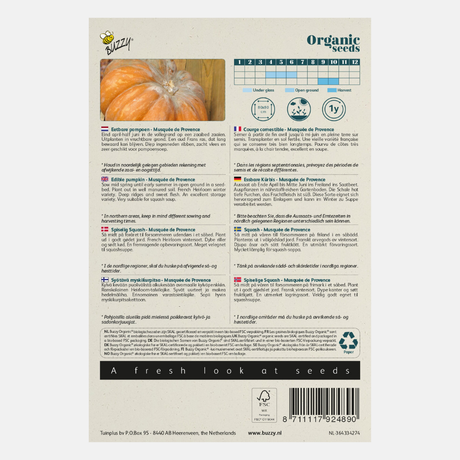
Pumpkin 'Musqu‚e de Provence' BIO
Regular price 3,30Unit priceUnavailable-
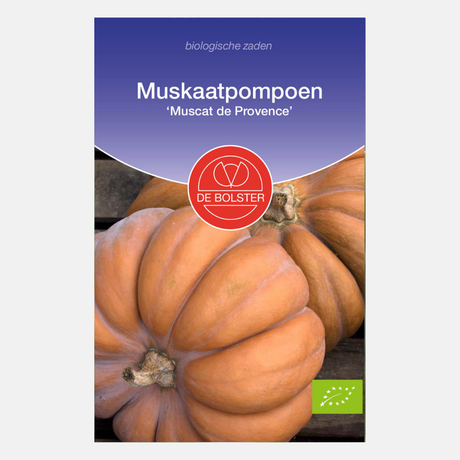
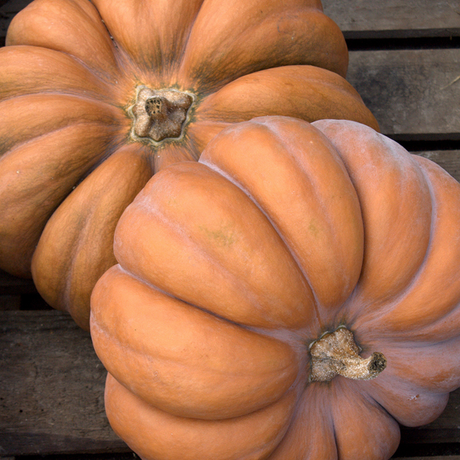
Nutmeg pumpkin 'Muscat de Provence' BIO
Regular price 3,10Unit priceUnavailable-
- Regular price 4,10Unit priceUnavailable
-
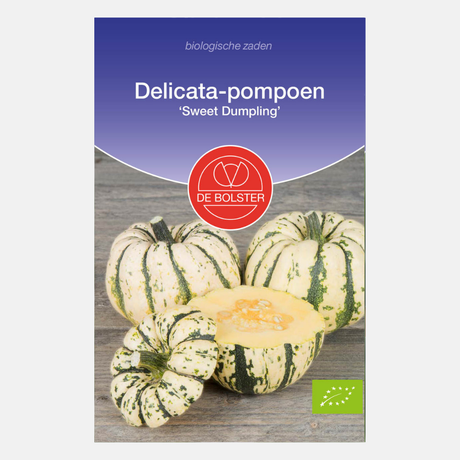
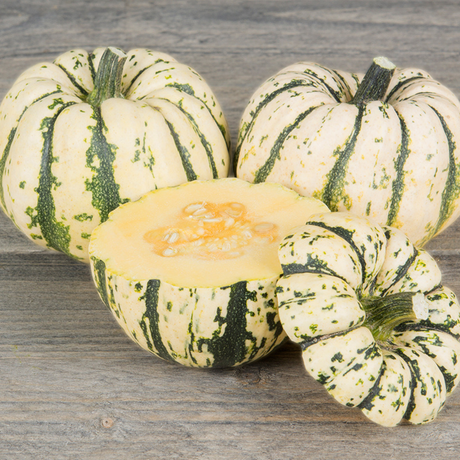
Delicata pumpkin 'Sweet Dumpling' BIO
Regular price 3,30Unit priceUnavailable-
- Regular price 3,30Unit priceUnavailable
-
- Regular price 3,30Unit priceUnavailable
-
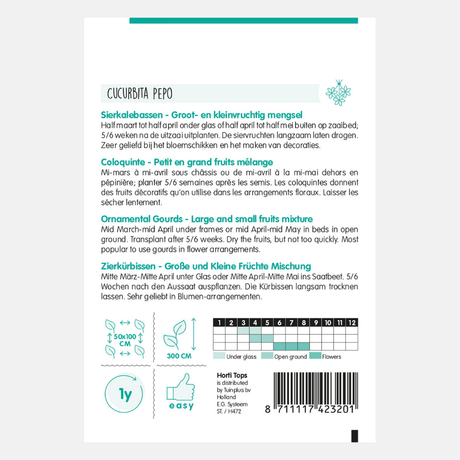
Ornamental gourd, small and large fruited, mixed
Regular price 2,15Unit priceUnavailable-
Pumpkin 'Yellow-fleshed Centenaars'
Regular price 2,15Unit priceUnavailable-
- Regular price 4,75Unit priceUnavailable
-
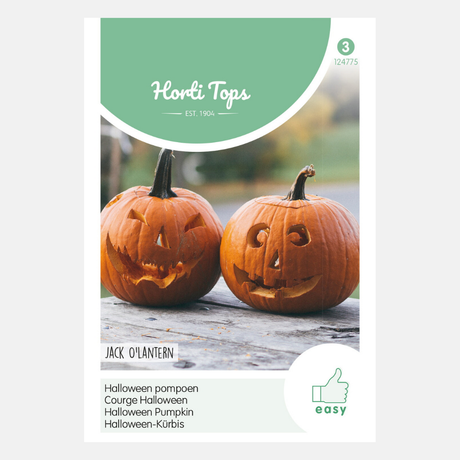
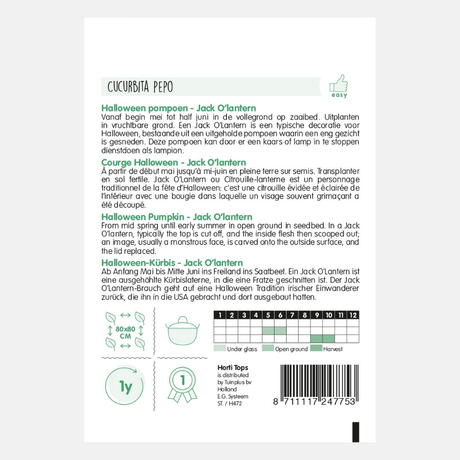
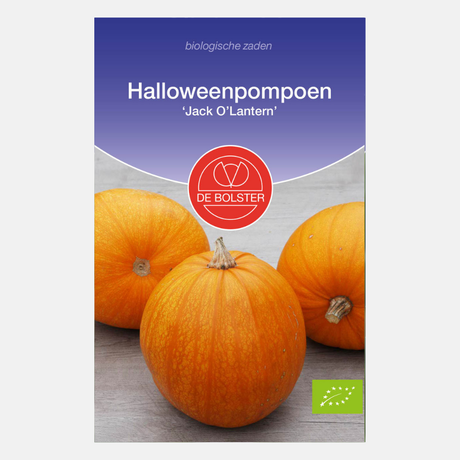
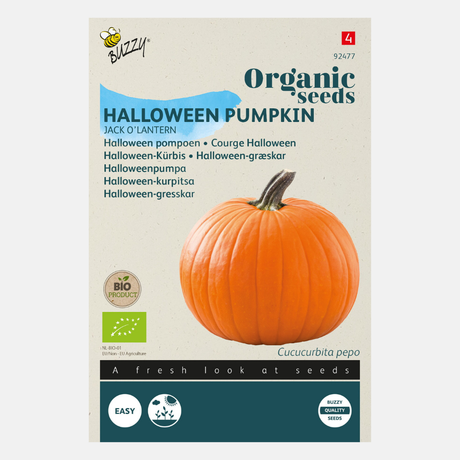
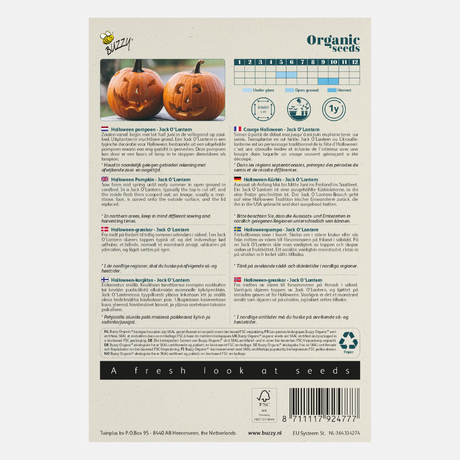
Halloween pumpkin 'Jack O'Lantern' ORGANIC
Regular price 3,10Unit priceUnavailable-
- Regular price 3,30Unit priceUnavailable
-
- Regular price 5,40Unit priceUnavailable
-
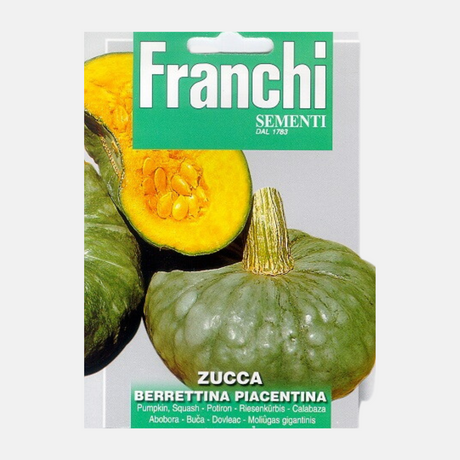
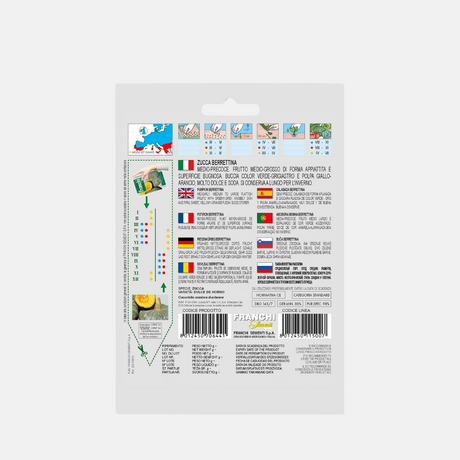
Pumpkin 'Berrettina Piacentina'
Regular price 2,60Unit priceUnavailable-
- Regular price 3,30Unit priceUnavailable
-
- Regular price 3,30Unit priceUnavailable
-
- Sold outRegular price 4,75Unit priceUnavailable
-
- Regular price 3,30Unit priceUnavailable
-
- Regular price 2,60Unit priceUnavailable
-
- Regular price 2,25Unit priceUnavailable
-


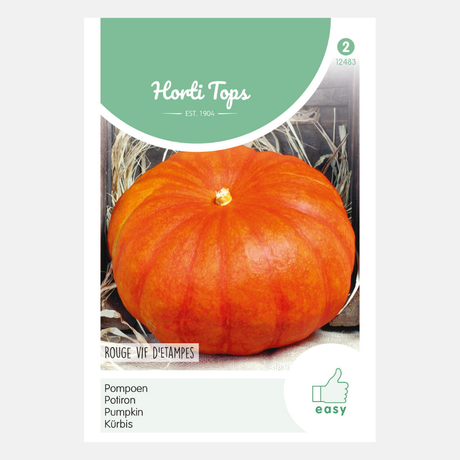
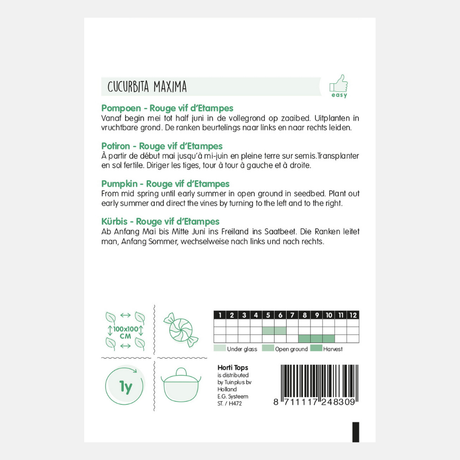
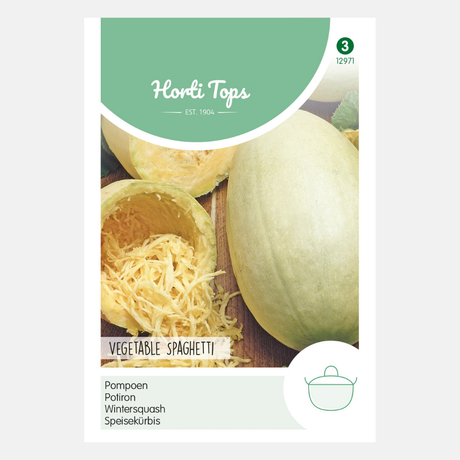
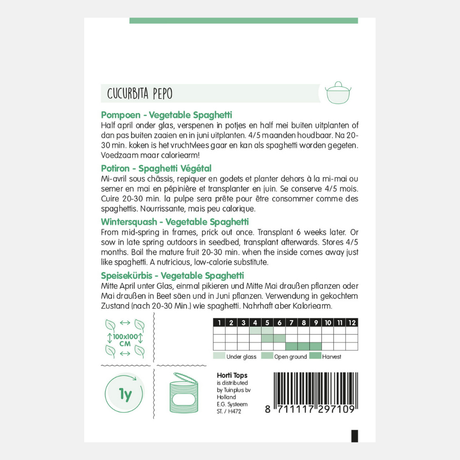
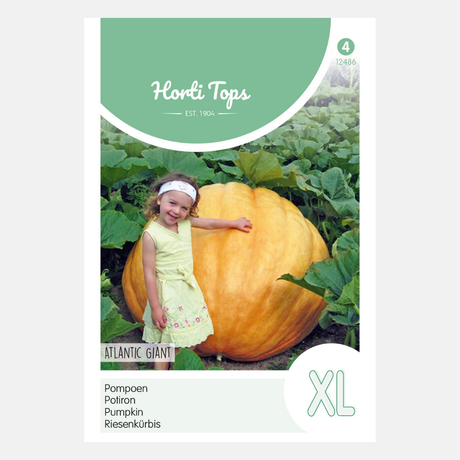
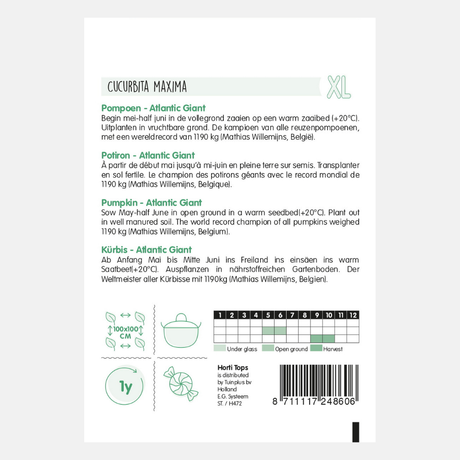
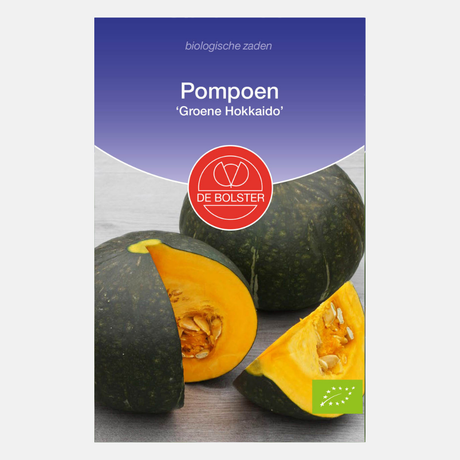
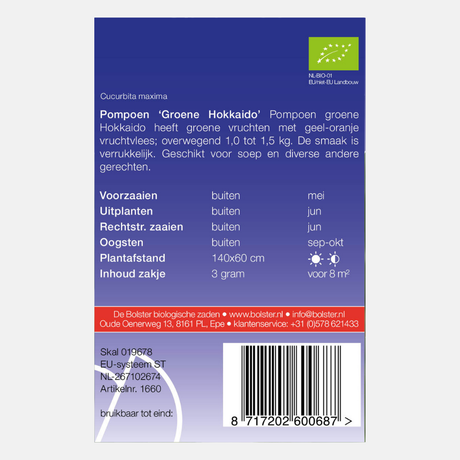






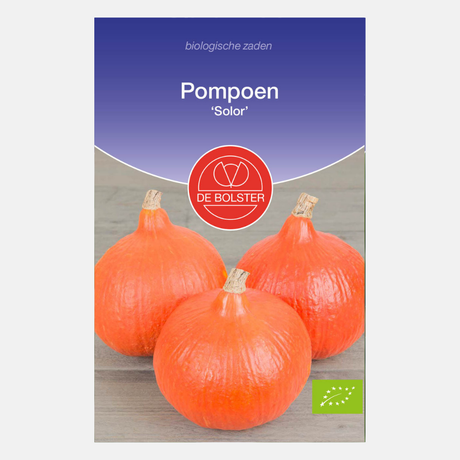
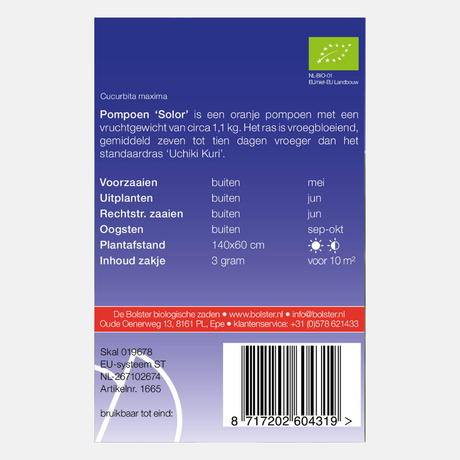
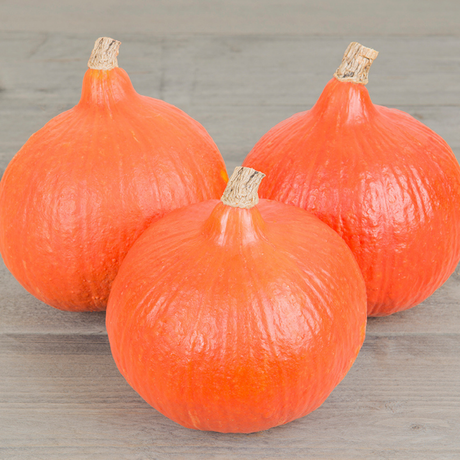


Growing guide 'Pumpkin sowing'
Other vegetable seeds
View all-
Runner bean 'Double white without thread' BIO
Regular price 4,85Unit priceUnavailable -
-
Regular price 3,10Unit priceUnavailable
-
-
Spinach 'Early Giant Leaf' BIO
Regular price 3,30Unit priceUnavailable -
-
Regular price 5,50Unit priceUnavailable
-
-
Regular price 5,20Unit priceUnavailable
-
-
Regular price 3,30Unit priceUnavailable
-
-
Regular price 3,10Unit priceUnavailable
-
-
Regular price 5,20Unit priceUnavailable
-
-
Zucchini 'Ola Gabriella F1' BIO
Regular price 3,30Unit priceUnavailable -
-
Regular price 3,30Unit priceUnavailable
-


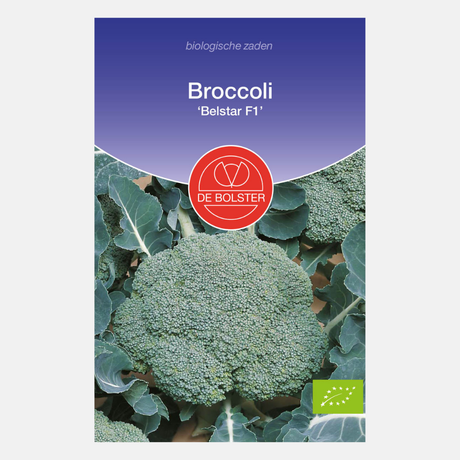


Buy pumpkin seeds: grow your favorite pumpkin varieties
From tiny seeds to plump pumpkin plants—growing pumpkins is fun and surprisingly easy. You sow, you nurture, and before you know it, you'll have plants full of flowers and fruits that can be used in various ways, for example, in the kitchen or as decoration. Not all pumpkin seeds are edible, but Plukkers' seeds are carefully selected and are. Pumpkin seeds are also rich in protein, fiber, healthy fats, and minerals like zinc, magnesium, iron, phosphorus, and potassium. Did you know that pumpkin seeds even contain more potassium than a banana? This mineral is essential for muscle function and recovery after exercise. But the secret lies in a strong start: our pumpkin seeds are purebred and potent, so your plants get a head start.
Some varieties are especially suited as edible pumpkins, ideal for soups, baking, or other culinary uses.
It is also a great pleasure to watch pumpkins grow from seed into a mature plant.
Which edible pumpkins can you grow?
There's a huge variety of pumpkin varieties. Choose from:
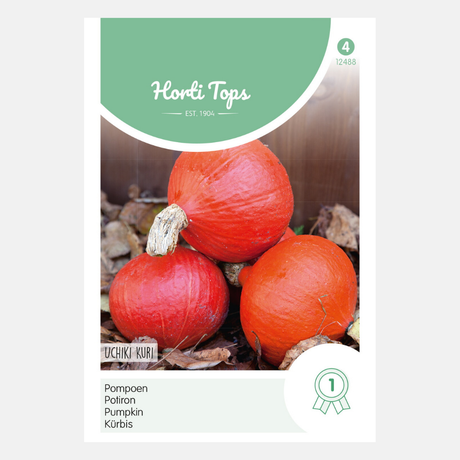
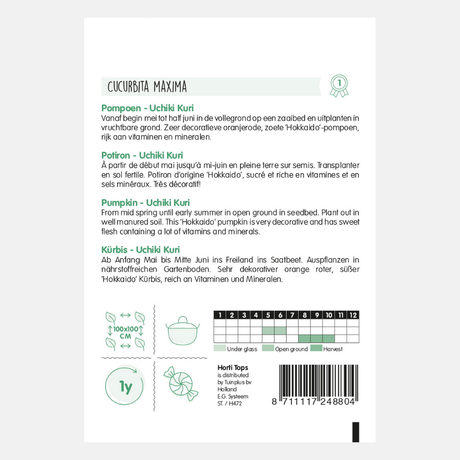
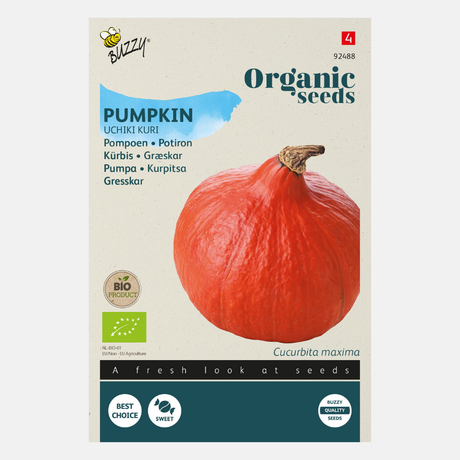
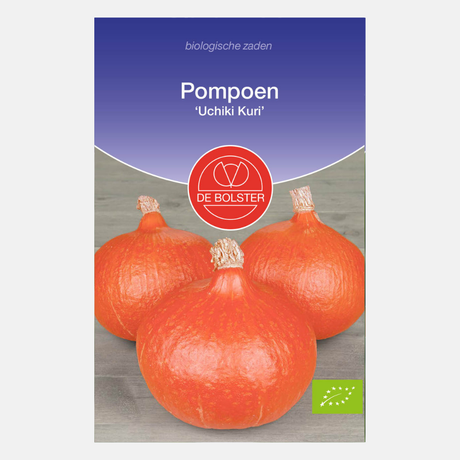
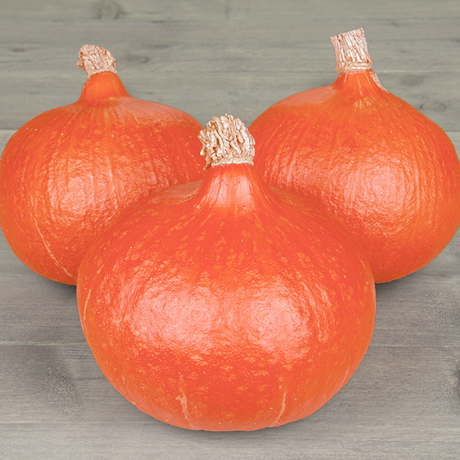
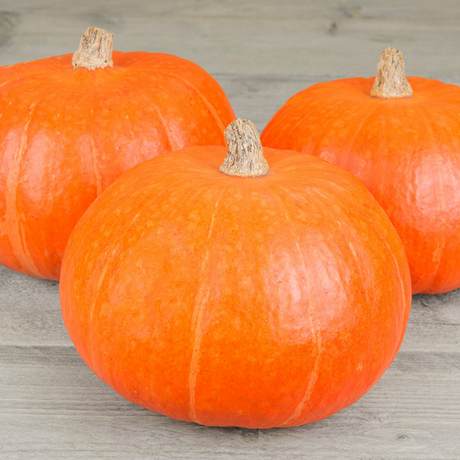
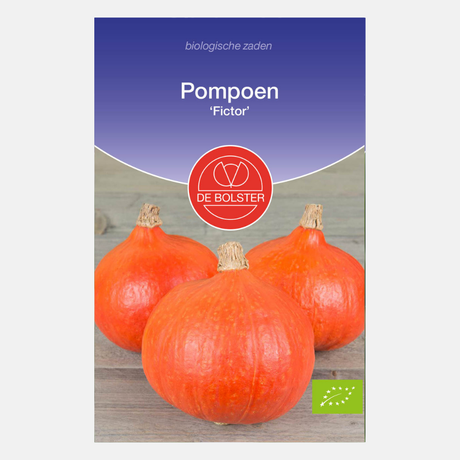
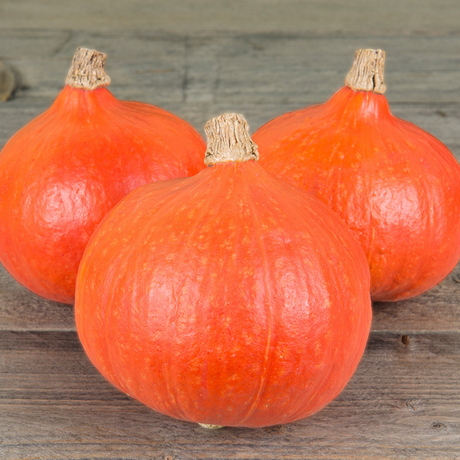
- Hokkaido – compact, orange, and nutty in flavor. The size usually ranges from 1 to 2 kilograms. The flesh is firm, rich in flavor, and is primarily used in soups and stews.
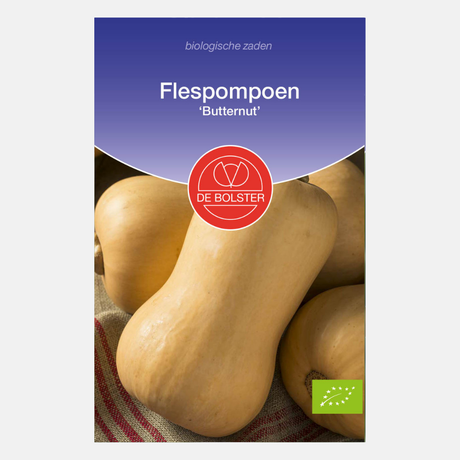
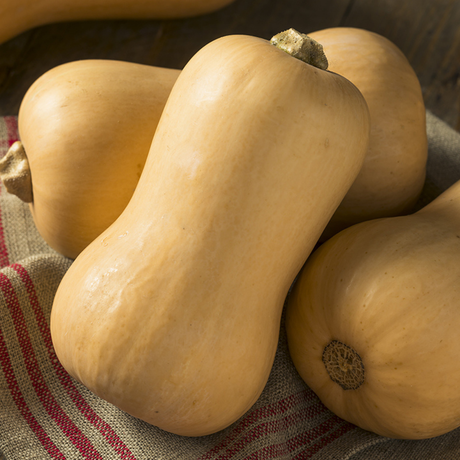
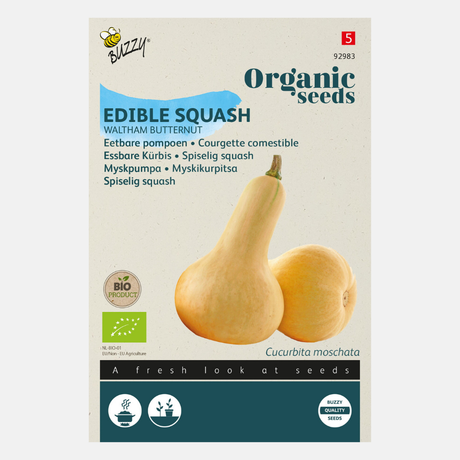
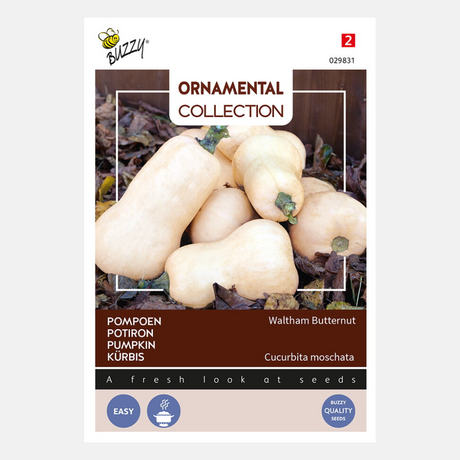
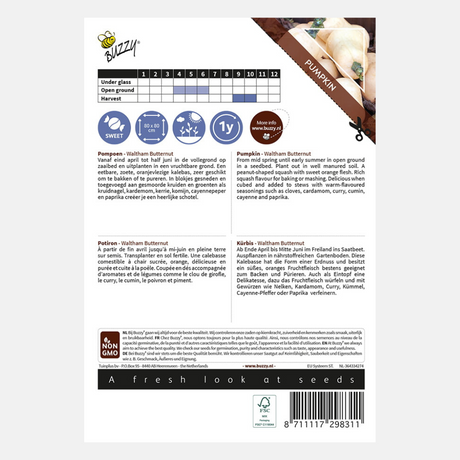
- Butternut squash – creamy, sweet, and delicious in the oven. This squash often weighs between 1.5 and 3 kilos. The flesh is tender, rich, and perfect for making purée, making it ideal for a variety of dishes.
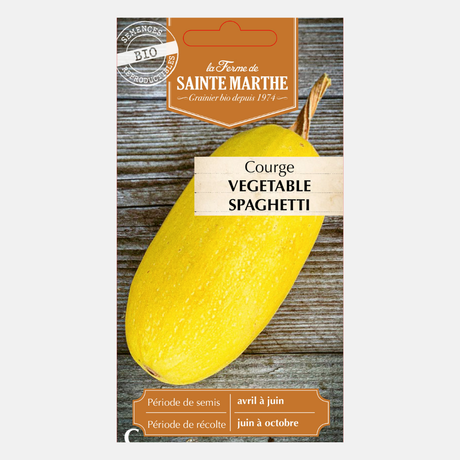
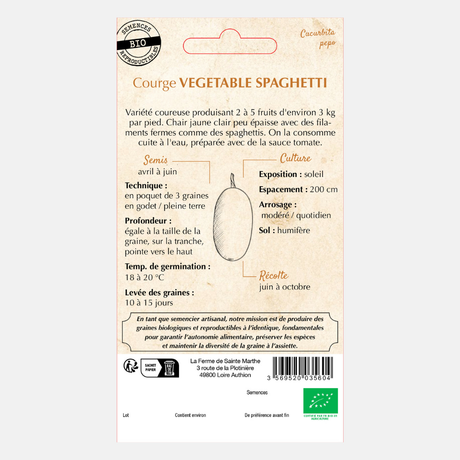
- Spaghetti squash – turns into strings, ideal as a carb-free "pasta." This variety is primarily used as a low-carb alternative to pasta.
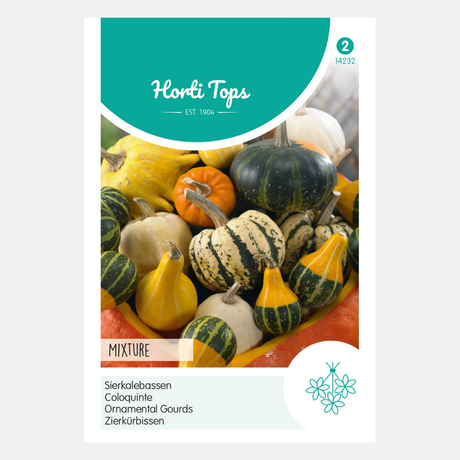
- Ornamental gourds – decorative and perfect as autumn decorations. Ornamental gourds are ideal for decoration because of their various shapes, textures, and colors. The 'pepita' is a variety of pumpkin seeds without the shell, which is usually green.
Giant pumpkins are specially bred for competitions, where their impressive size and weight – sometimes up to 100 kilos – are the focus.
Every type of seed has potential: choose the one that suits your taste and space. For optimal growth, it's important to ensure good soil quality, sufficient sunlight, and water. Pumpkin seeds should be planted about 1 inch (2.5 cm) deep in well-drained soil.
Sowing & care tips for a rich harvest
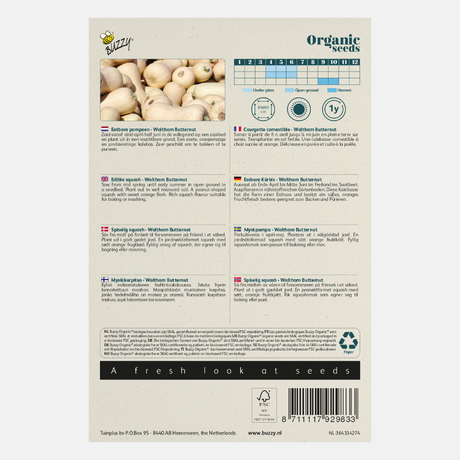
Start sowing from the end of April in a pot or container indoors.
Don't transplant outdoors until after mid-May, when the risk of frost has passed. The seedlings should only be moved outside when they are strong enough.
Give your plants space: pumpkins can spread out quite a bit. They need plenty of room for optimal growth.
Provide a rich, well-drained soil.
Keep the location sunny and sheltered.
Water regularly, but don't let the soil become soggy. Protect the seeds well from mice, as they love pumpkin seeds. Pumpkin seeds contain antioxidants like vitamin E, which protect body cells. They also contain L-tryptophan, a substance that helps produce serotonin and contributes to better sleep.
Fertilize with compost or organic fertilizer to encourage growth.
Pumpkins sown in the open ground
Pumpkin seeds can also be sown directly in the ground. Each packet usually contains 8 to 10 seeds, enough for a good number of plants. Here are 5 tips for pumpkins in the ground: Make sure you store the seeds properly, as pumpkin seeds generally have a shelf life of one to three years if stored properly.
1. Wait for the right timing
Sow pumpkin seeds outdoors in the ground only after May 15th, when all risk of frost has passed. Pumpkins love warmth, so give them a good start.
2. Choose a sunny and sheltered spot
Pumpkin plants grow best in a spot where they get at least 6 to 8 hours of sun per day. A sheltered spot out of the wind helps young plants grow stronger.
3. Provide nutritious, airy soil
Mix compost or well-rotted manure into the soil before sowing. Pumpkins are prolific growers and need rich soil to produce abundant fruit.
4. Sow in hills
Make small mounds of soil about 30 cm high and 50 cm wide. Sow 2 to 3 seeds per mound and thin them out later to the strongest plants. Mounds ensure good drainage and faster soil warming.
5. Water regularly
Watering is crucial, especially during dry periods. Always water at the base of the plant and try not to wet the leaves to prevent fungal problems.
Harvesting & What are Pumpkins Mainly Used For?
Pumpkins are harvested when they are fully ripe and the stem feels dry and woody. Carefully cut them and let them dry for a few days. Store them in a cool, dry place, sometimes for months. Edible pumpkins are harvested when they are fully ripe and their flavor is at its peak. Ornamental pumpkins, on the other hand, can be harvested earlier, as their appearance is more important than their flavor. You can use them in soups, casseroles, pies, pumpkin soup—or as decoration on the kitchen table.
You can make a delicious pumpkin soup from pumpkins.
Pumpkins can be used in a variety of ways.
History and symbolism of pumpkin seeds
You probably know those small, hard seeds you scoop out of your pumpkin when you hollow it out – pumpkin seeds! Did you know they've had a fascinating journey? It all began about 10,000 years ago in the heart of South America. The first pumpkins were actually small, bitter little things, but centuries of loving cultivation and selection have since given rise to countless varieties. Each with its own unique character, just like all of us.
The pumpkin has truly become the symbol of autumn. You see them everywhere – beautiful specimens in all shapes and colors, adding a cheerful touch to tables and gardens. But you can do so much more with them than just decoration! Whether you choose a hearty butternut squash, small pumpkins for a cozy atmosphere, or another delicious variety – you can use them in warming soups, hearty stews, casseroles, and even a delicious pumpkin pie. Packed with flavor and so versatile.
Want to grow beautiful pumpkins yourself? It's easy, just get your hands dirty! Ideally, sow the seeds directly in the ground in a sunny spot with fertile soil. Give your plants plenty of room—those cheerful vines can spread quite a bit. With a little care, you'll soon be enjoying an abundance of fruit. After harvesting, you can store them or use them right away in all sorts of dishes. And here's the best part: you can save the seeds from your harvested pumpkins for next year. This way, you can enjoy your own bountiful harvest year after year.
By the way, the Latin name for your pumpkin is Cucurbita, and it belongs to the cucumber family—related, you might say! Pumpkins are not only a feast for the eyes but also a true source of inspiration for anyone who loves gardening, cooking, and celebrating autumn. Be amazed by the abundance of flavors, textures, and colors you can grow in your own little garden. Have fun gardening!
Why choose Plukkers?
We supply high-quality pumpkin seeds, along with tips, inspiration, and guidance. Our selection is carefully curated so there's always a variety that suits your garden. At Plukkers, we make gardening accessible, fun, and rewarding with a real harvest. It's recommended to consume a small amount of pumpkin seeds, such as 30 grams per day, as part of a balanced diet.