

 Available for reservation from April 2027Sold out
Strawberry plants fridge bearer 'Ostara' BIO - 10 pieces
Regular price 9,95Unit priceUnavailableOrganic Fertilizer for Strawberries and Small Fruit BIO
Regular priceFrom 7,95Unit priceUnavailable-
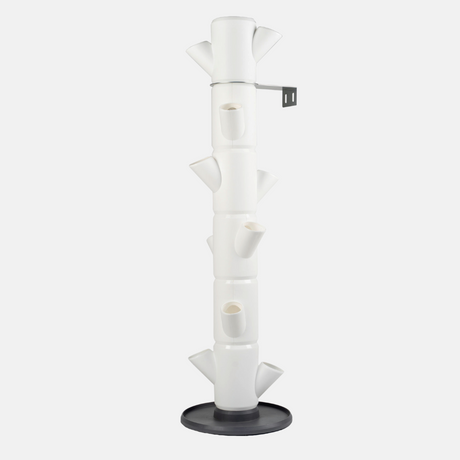
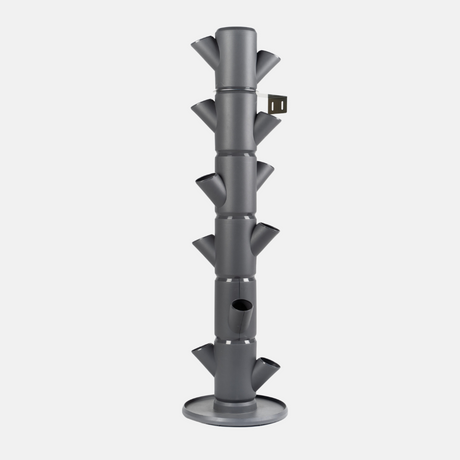
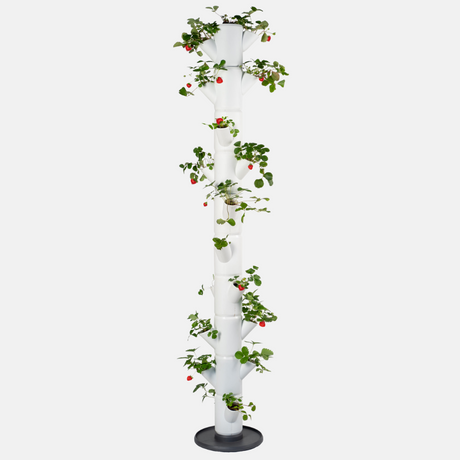
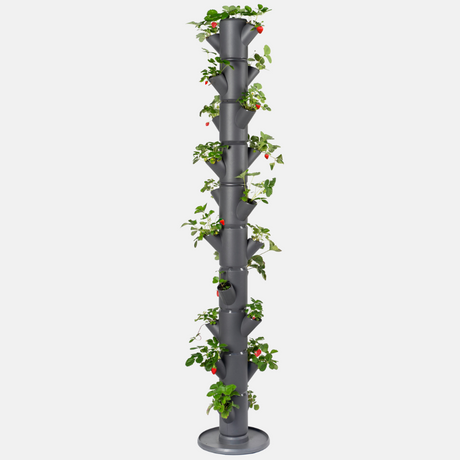
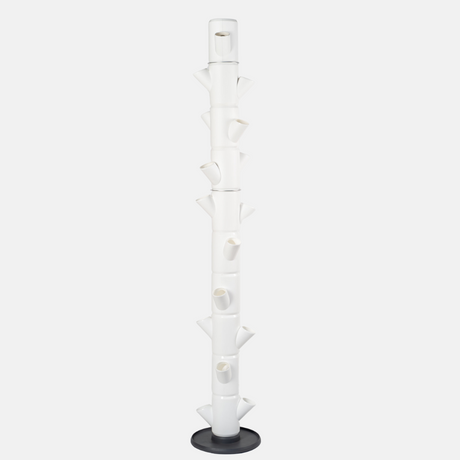
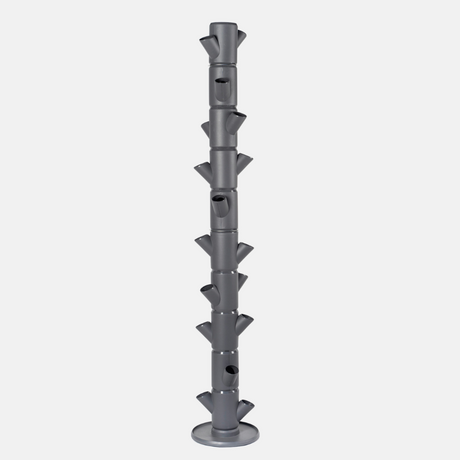
Sissi Strawberry - Strawberry tower 113 cm high
Regular price 65,95Unit priceUnavailable-
Sissi Strawberry - Strawberry tower 185 cm high
Regular price 99,95Unit priceUnavailable-
- Regular priceFrom 6,95Unit priceUnavailable
-
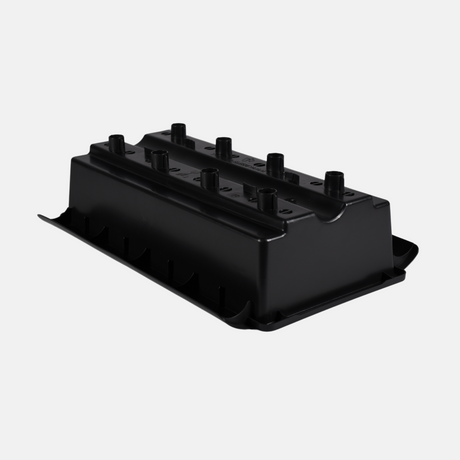
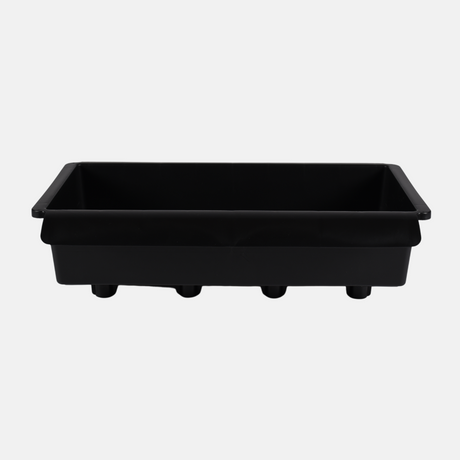
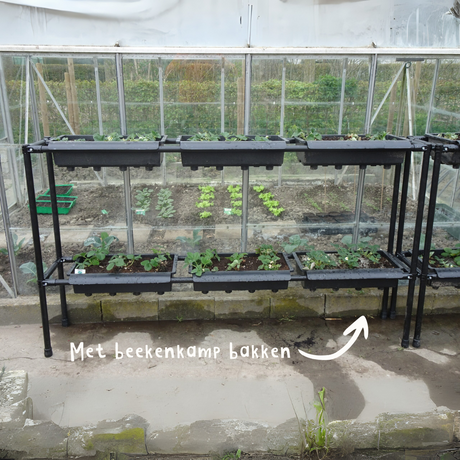
Beekenkamp box - strawberry box
Regular priceFrom 6,95Unit priceUnavailable-

Rack for 3 BATO containers - strawberry rack
Regular price 129,95Unit priceUnavailable
Rack for 6 BATO containers - strawberry rack
Regular price 204,95Unit priceUnavailable- Sold out
Rack for 8 BATO containers - strawberry rack
Regular price 219,95Unit priceUnavailable -
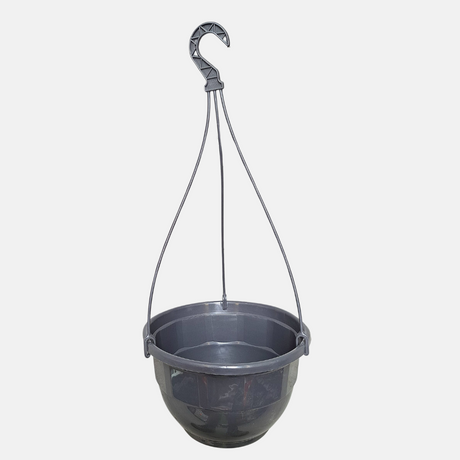
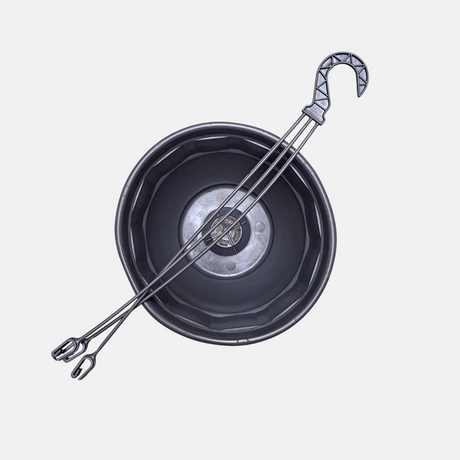
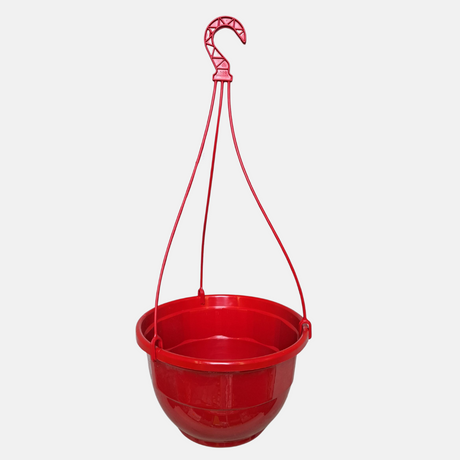
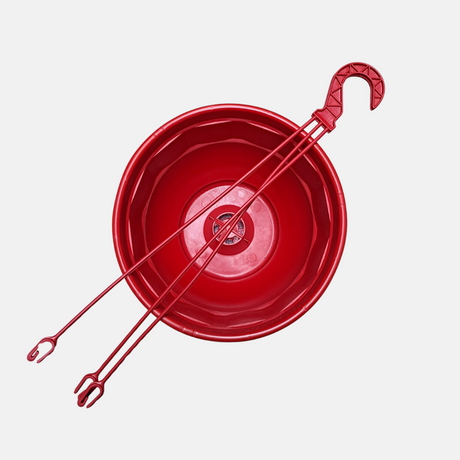
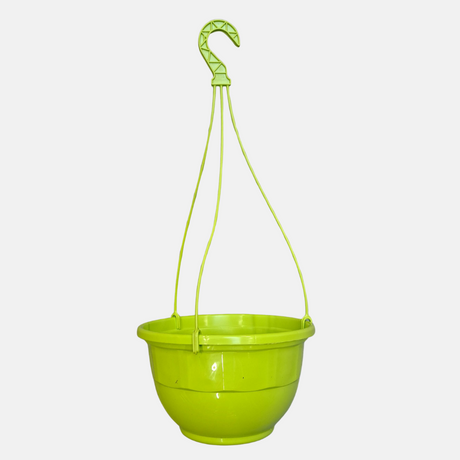
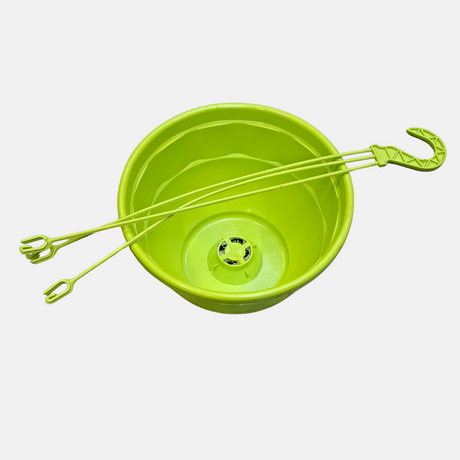
Hanging pot 6 liters with hook
Regular priceFrom 6,95Unit priceUnavailable-
Hanging pot 6 liters with hook
Regular priceFrom 6,95Unit priceUnavailable-
Hanging pot 6 liters with hook
Regular priceFrom 6,95Unit priceUnavailable-
 Available for booking from April 2027Sold out
'Ravellia' organic strawberry frigo plants - 10 pieces
Regular price 9,95Unit priceUnavailable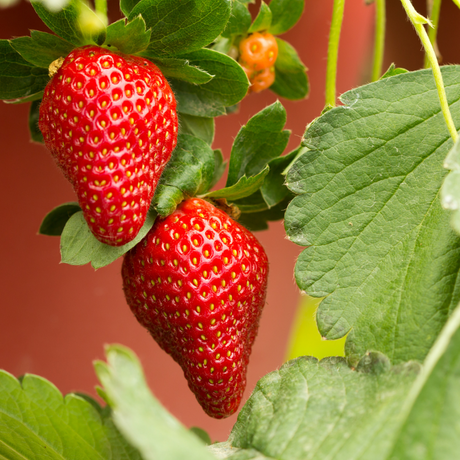 Available for booking from April 2027Sold out
'Cadenza' late frigo strawberry plants - 10 pieces
Regular price 9,95Unit priceUnavailable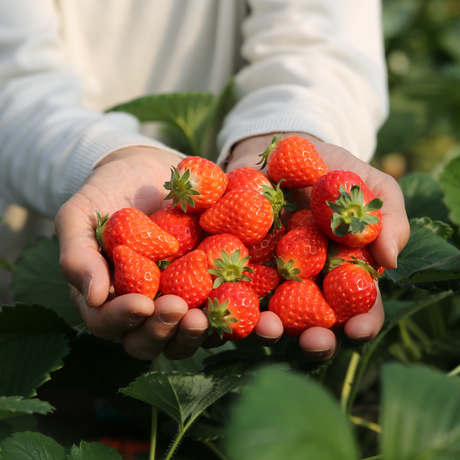 Available for booking from April 2027Sold out
Strawberry plant pack - 3 varieties (30 frigo plants)
Regular price 27,95Unit priceUnavailable Available from April 2026Sold out
BIO Wild strawberry in 13 cm pot Fragaria vesca vesca
Regular price 4,95Unit priceUnavailable Available for reservation from April 2027Sold out
Strawberry plants frigo mid-early 'Sonsation' organic - 10 pieces
Regular price 9,95Unit priceUnavailable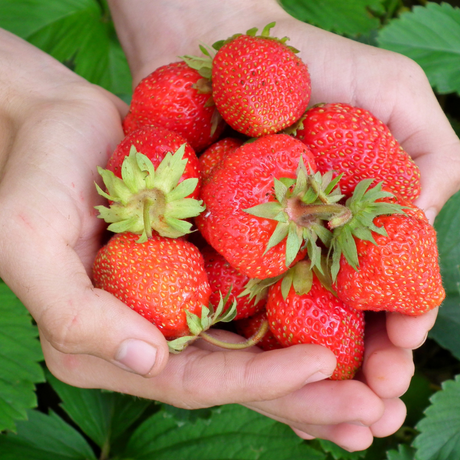 Available for booking from April 2027Sold out
Strawberry plants refrigerator early 'Rumba' BIO - 10 pieces
Regular price 9,95Unit priceUnavailable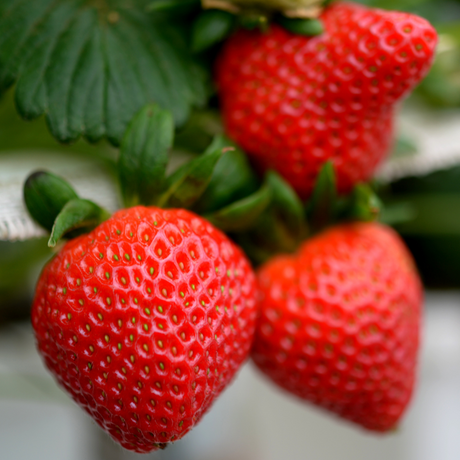 Available for reservation from April 2027Sold out
Strawberry plants fridge mid-early 'Verdi' BIO - 10 pieces
Regular price 9,95Unit priceUnavailable-
Available for booking from April 2027Sold out
Strawberry plants fridge late 'Cadenza' BIO - 10 pieces
Regular price 9,95Unit priceUnavailable -
Available for booking from April 2027Sold out
'Verdi' mid-season frigo strawberry plants - 10 pieces
Regular price 9,95Unit priceUnavailable


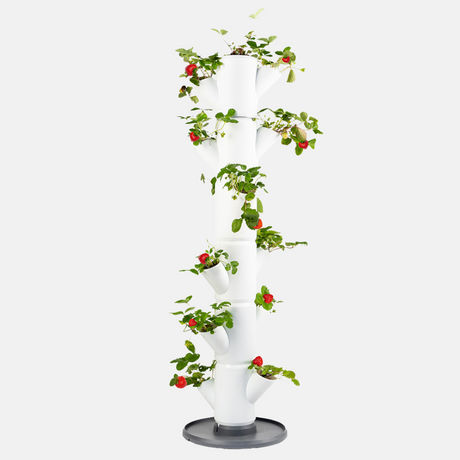
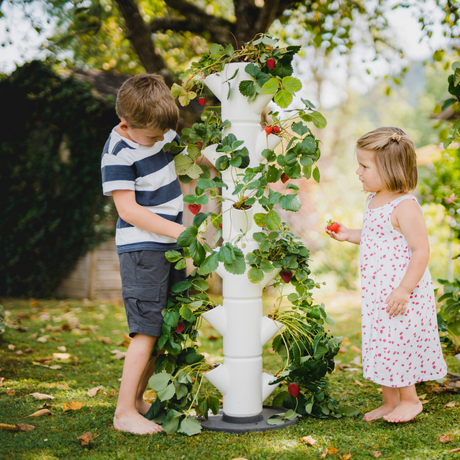
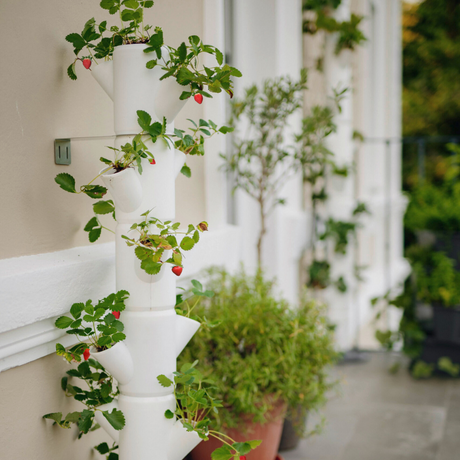
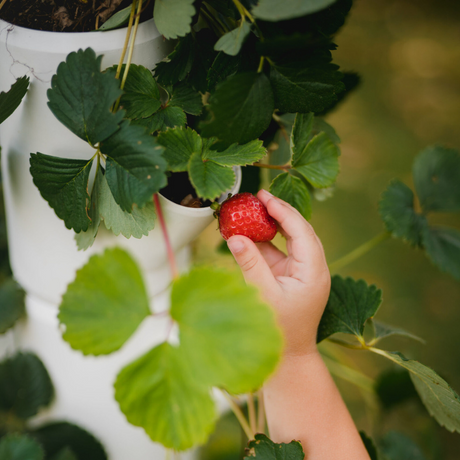
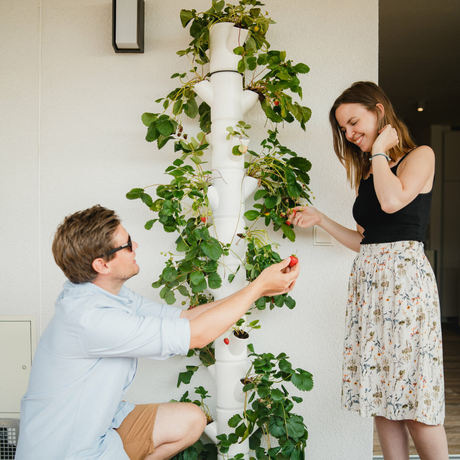
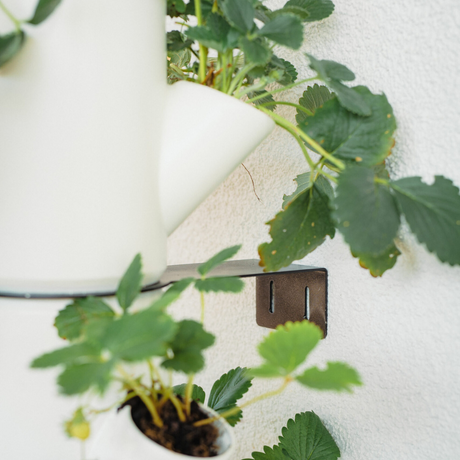





Planting strawberries in pictures
In this video Ruud shows you how to grow strawberries, both in the open ground and in containers. He also shares plenty of useful tips for a successful strawberry harvest.

Read our growing guide on how to grow strawberries.
You may also like
View all-
Our favouriteRegular price 59,95Unit priceUnavailable
-
-
Tijdelijke aanbieding20% offSale price 19,95 Regular price 24,95Unit priceUnavailable
-
-
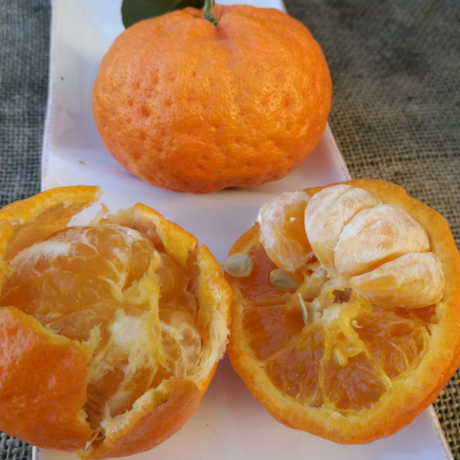
Citrus tree mandarin 'Changsha'
Regular price 44,95Unit priceUnavailable -
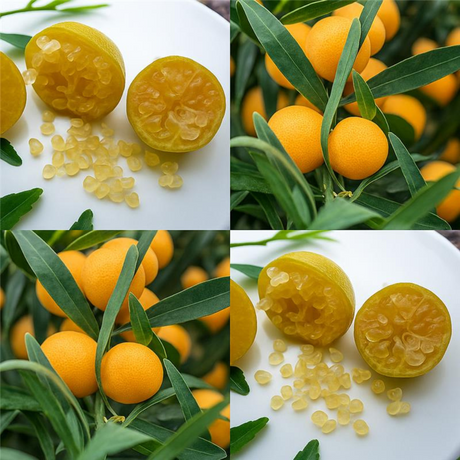
Dwarf orange or Kumquat 'Rafael'
Regular price 44,95Unit priceUnavailable -
-
 Regular price 44,95Unit priceUnavailable
 -
Regular price 44,95Unit priceUnavailable
-
-
Rhubarb 'Ruby Jack' - Bare root
Regular price 14,95Unit priceUnavailable -
-
Rhubarb 'Red Champagne' - Bare root - Mid-season
Regular price 14,95Unit priceUnavailable -




Strawberry Plants: Buy organic strawberry plants?
Do you dream of fresh, juicy strawberries from your own garden? Then our high-quality strawberry plants are just what you're looking for! You can quickly and easily buy strawberry plants from us, including organic ones. Whether you have a balcony or a spacious vegetable garden, planting strawberries is a fun and tasty activity for everyone. With your own strawberry plants, you can fully enjoy the delicious flavor of fresh strawberries.
Good information about the different types of strawberry plants and their care is essential for making the right choice and achieving a successful harvest. Ideally, plant strawberries in spring in a sunny spot with well-drained, fertile soil; strawberries grow best there. Ensure humus-rich, airy, and slightly acidic soil with a pH between 5.5 and 6.5. Before planting, mix the soil with compost or well-rotted manure to enrich it. Also, use the right fertilizers for strawberries, preferably organic fertilizers low in nitrogen and high in potassium, to improve soil quality and promote healthy plant growth. By paying attention to soil preparation, choosing the right planting time, and providing regular care, you can enjoy growing strawberries in your own garden for years to come. Don't forget to purchase the right supplies, such as fertilizer, garden tools, and plant care products, to ensure your strawberries grow optimally.
Planting strawberries: what to look out for when planting strawberries
Planting strawberries is surprisingly easy and can be done in various ways, such as directly in the ground or in a pot. A good strawberry plant grows well both in the ground and in pots and containers. Strawberries can be grown in pots, which is ideal for small gardens or apartments. The right location is important: choose a sunny spot in the garden or on the balcony for the best results. If you're going to plant strawberries, make sure you choose healthy plants and a location with plenty of sunlight. If you want to grow strawberries in a pot, use a pot of at least 10 liters with drainage holes so excess water can drain properly. Water sufficiently when planting so that the soil remains moist but not too wet. For both pots and open ground, you can use weed control fabric to prevent weeds and improve the soil structure.
When planting strawberries in the open ground, maintain sufficient distance between the plants and the rows for optimal growth. Make sure the plants aren't too close together so they get enough light and air and can be harvested easily. Single-bearing varieties, such as Elsanta, Elvira, and Korona, are ideal for open ground. So you don't need a large garden to plant your own strawberries. With a little sun and proper care, you can enjoy delicious fruits for months. More and more people are choosing to buy organic strawberry plants because they are grown sustainably, without the use of chemicals.
How and when to grow strawberries?
Many people wonder: can you plant strawberries in your own garden? Absolutely! The best time to start is in early spring, right after the last frost, when the soil begins to warm up. Spring, especially March or April, is also a good time to plant strawberries. You can even plant strawberries in early June for a good harvest. The best time to plant strawberries is in the first half of August or in March. Strawberry plants planted in the spring often produce fruit that same year. By planting new strawberries in the fall, you give the plants a head start for the next growing season. Some varieties, such as summer-flowering strawberries, produce a lot of fruit in a short period, usually just a few weeks in the summer. Summer-flowering varieties like the Elsanta variety produce fruit in June or July. Other varieties, such as everbearers, produce strawberries over a longer period, allowing you to harvest for months. The flowers of the strawberry plant are essential for the harvest; the time at which the flowers appear determines when you can expect fruit. Harvesting time varies by variety, allowing you to achieve a longer harvest period with different varieties. Yield depends on care and growing conditions. You can harvest the strawberries during the season; pick the berries carefully, preferably with scissors, to keep them fresh.
Whether you want to try one strawberry plant or plant several at once, we'll help you get started with tips and top-quality plants.
Buy organic strawberry plants
Want to garden responsibly? Then you can easily buy organic strawberry plants from us. Our organic strawberry plants are high-quality and grown without artificial fertilizers or pesticides. They're better for the soil, bees, and your health. For optimal growth of organic strawberry plants, consider adding lime to the soil to optimize the pH. We also recommend using soil improvers suitable for fruits and vegetables, such as DCM Vivimus , so you can grow not only strawberries but other vegetables responsibly as well. With an organic strawberry plant, you're not only growing delicious food, but also sustainably.
Where to buy strawberry plants?
Are you looking for a reliable place to buy strawberry plants? In our webshop, you'll find a wide and complete range. You can also buy young strawberry plants from us to get your cultivation off to a good start. Whether you're looking for everbearing varieties, Ostara, or specialty varieties, we have something for every gardener. With varieties like Ostara, you can enjoy picking strawberries all season long and harvest delicious strawberries. There are also varieties, such as wild strawberries, that are known for their high yields and are therefore particularly suitable for growers who want a large harvest. The strawberry plant is a garden plant that requires proper care for optimal growth and a bountiful harvest. You'll enjoy everbearing varieties for a long time, as you can harvest strawberries all summer long and enjoy a rich harvest period. Some varieties are also ideal for making jam. Don't forget to fertilize repeatedly throughout the season for optimal yield, and prepare your plants for the end of the season so you can harvest again next year. You can also easily buy strawberry plants online from us – delivered quickly, directly from our organic grower.
Frequently asked questions such as:
- Where to buy strawberry plants?
- How to plant strawberries?
- When to plant strawberries?
These questions are answered in our comprehensive Growing Guide on Strawberry Growing . This way, you'll know exactly how to successfully plant strawberry plants.
Order strawberry plants quickly and easily
Want to get started planting strawberries right away? Order your favorite strawberry plants today. Our webshop makes it easy to create your selection of organic strawberry plants. In just a few clicks, you'll have the best strawberry plants for sale, ready for your garden.
Strawberry plant maintenance
Taking good care of your strawberry plants is truly the secret to a bowl overflowing with the tastiest strawberries you've grown yourself. Whether you choose everbearing strawberry plants or another attractive variety, it doesn't matter. It's important to give your strawberry plants enough water, especially during dry spells, so the soil always remains slightly moist and the plants stay healthy. This is especially true when they're enjoying full sun. Make sure the soil around your plants doesn't get too wet (avoid wet feet), but also not too dry. A good water balance is important: strawberries don't like wet feet, but they shouldn't dry out either. When caring for strawberries, it's important to regularly remove the runners so the plant can focus its energy on producing fruit. Regular plant care, such as watering and checking for diseases, helps prevent problems and stimulate growth. Remove weeds around the plants to prevent mold and disease. Also, ensure adequate air circulation and remove weeds to prevent mold problems. This will keep your strawberry plants healthy and allow them to grow optimally.
For truly robust fruits and that irresistible flavor, you can occasionally treat your plants to a little organic fertilizer—cow manure pellets, for example, are always a winner. This gives them exactly what they need to produce large strawberries and keep growing happily all season long. Preferably use fertilizers specifically formulated for strawberries, low in nitrogen and high in potassium, to keep your plants healthy and produce a bountiful harvest. Cover the soil beneath your plants with straw as soon as the first fruits appear to prevent mold. And don't forget to protect your precious harvest from those cheeky birds and other animals that are all too eager to snack on your ripe strawberries. Cover them with netting or a scarecrow—no need to worry, just a clever solution.
In winter, your strawberry plants deserve some extra love to protect them from the cold and frost. Cover your strawberry plants with straw or fleece during severe frost to protect them from frost damage; remove this covering as soon as the frost is over to prevent premature growth. Simply place a cozy layer of straw or leaves around the plants to keep their roots nice and warm, and they'll be able to sprout vigorously again in spring. As soon as the sun shines brightly again and you remove the protection, the beautiful story of new strawberries simply begins again. Also, remove old leaves in spring to keep the plant healthy.
Managing the suckers on the mother plant is important for propagating strawberry plants. At the end of June, you can remove suckers or use them for cuttings. When taking strawberry cuttings, you take healthy, young shoots from an existing plant. These suckers will form roots when planted in the ground. The suckers from strawberry plants are best used for cuttings starting in the second year of harvest. By cutting suckers, you can easily create new plants. The mother plant produces these suckers, and by managing them properly, you maintain a healthy strawberry cover and stimulate growth and yield.
Young strawberry plants can be repotted into a larger pot once they have developed several leaves, giving them ample room for further growth. Always use good potting soil for growing in pots; this ensures sufficient nutrients and good drainage.
Want to sow your own strawberries? Collect seeds or seeds from the outside of the strawberry, sow them in potting soil or on a seed tray, and follow the correct sowing technique. Sowing requires some patience, but it's a fun way to grow your own strawberries. Sowing strawberries requires more work, but it's more rewarding than buying plants. As soon as the first leaves appear, you can transplant the seedlings.
Choosing the right variety is also crucial for a successful harvest. There are so many different varieties of strawberry plants available – from everbearing strawberries to those adorable little wild strawberries. Always choose a variety that suits your space, whether it's your garden, balcony, or patio. And pay attention to the quality of the plants when you buy them – that way you can be sure you're getting strong specimens that thrive in your garden.
With a little care, attention, and the right tools, everyone can enjoy a bountiful harvest of fresh strawberries all season long. Give your plants enough space and care to stimulate growth. Whether you grow strawberries in the vegetable garden, on your balcony, or on the patio, with the right approach you can grow healthy strawberries and soon you'll be picking the most delicious strawberries at home. Enjoy gardening!
Common problems with strawberry plants
You probably know the feeling: you're proudly walking over to your strawberry plants and then you see those little, shiny trails. Snails! These little rascals absolutely adore your juicy strawberry plants and can really wreak havoc in your beds. Especially after a nice rain shower, they pop out like there's a party going on. So give your plants a good once-over after a rain shower and just pick the snails off with your hands (don't be dirty!). You can also use eco-friendly snail pellets or organic products. This way, you can continue to relax and enjoy your own harvest.
Then there are those annoying fungal diseases that strawberries sometimes suffer from. In damp weather, fungi are in their element and can really plague your beautiful plants. Keep a close eye on your leaves and fruit – if you see any strange spots or mold, remove them immediately before it spreads. It also helps enormously to give your plants some more breathing room. Don't plant them too close together and regularly clear away any old leaves. Your plants, just like humans, need fresh air to stay healthy.
And then there are weeds, the eternal competitor of your strawberries. Weeds are a real game-changer – they steal all the water and nutrients that are actually meant for your strawberries. Don't panic, with a little regular attention you can easily keep them under control. Simply pull the weeds and, if necessary, spread some mulch or straw around your plants. This not only keeps the weeds at bay but also creates an airy soil. With these simple tricks, you can prevent most problems and soon you can enjoy your own sweet strawberries from the garden.
Harvesting Homegrown Strawberries: Tips for a Rich and Sweet Pick
You know that feeling—you walk past your strawberry plants every day, and then suddenly they're there: those first red, juicy strawberries just waiting to be picked. This is the best part of all gardening! With a little attention to the right timing, you'll soon be picking the sweetest strawberries you've ever tasted—straight from your own garden or balcony.
Choose the perfect harvest time: Only pick strawberries when they're fully red, because that's when they're truly ripe and have the best flavor. I check my plants every day from mid-July onward because you never know when those everbearing strawberries like Ostara or Grandian F1 will suddenly start producing in abundance. It's like waiting for your bread to bake perfectly—timing is everything. Pay close attention to the color and feel if they're nice and firm, then you'll know exactly when to pick them.
Pick regularly for a bigger harvest: Don't leave them hanging too long, or they'll turn to mush or—even worse—the birds will eat them right in front of you. And that's a waste of all your hard work! By picking regularly, you're giving your plant the signal to keep producing new fruit. This way, you can enjoy the surprise of growing fresh strawberries all season long, whether you have them in the ground or in pots on your balcony.
Pick carefully: Strawberries are like little darlings—very delicate. Carefully pick them and pinch off the stem with your fingernail, or use small scissors to cut the stem just above the crown. I always do it with my fingers—it works well, and you can immediately feel if the strawberry is ready. This way, your plant stays nice and intact, and you can enjoy your harvest for a long time.
Storing and enjoying: Frankly, homegrown strawberries taste absolutely best when eaten immediately—warm from the sun, bursting with flavor. Homegrown strawberries can be enjoyed immediately after picking. If you have no other choice, and you need to store them, simply store them at room temperature, out of the sun, and eat them within a few days. In the refrigerator, they lose their flavor and become watery—it's a real waste of those delicious strawberries you worked so hard for.
Protect your harvest: Birds love strawberries just as much as you do—and they're often quicker than you think! Cover your plants with netting or use some fleece, or you'll end up empty-handed. Also, keep an eye out for snails and other critters that love your juicy strawberries. A little protection ensures you can enjoy your harvest, and not everyone else.
Keep your plants healthy: A happy strawberry plant produces the most beautiful and sweetest fruits. Make sure they get enough water, feed them occasionally (a little compost works wonders), and remove diseased leaves and fruits. Regularly remove weeds, as they compete with the strawberry plants for water and nutrients. Just like with people, staying healthy is the best investment. This way, your plants will keep producing well all season long.
With these tips, you'll truly get the most out of your strawberry plants and enjoy the tastiest strawberries available. Whether you've chosen everbearing strawberries or a classic variety, with a little love and attention, you'll soon be harvesting the sweetest fruits from your own garden!
Storing strawberries after harvest
You know the feeling: you walk into the garden and your strawberry plants are overflowing with those beautiful, red berries. Of course, your homegrown strawberries are best when you pick them fresh from the plant and eat them immediately – that way you really get all the flavor. But sometimes you have such a bountiful harvest that you can't eat it all at once. Luckily, there are several handy ways to preserve your strawberries longer, so you can enjoy that delicious summer flavor later on.
Want to store your strawberries for a few days? Make sure they're nice and dry before placing them in a container or dish. Place the strawberries loosely next to each other so they're not pressed together – this prevents them from rotting. Ideally, store them in a cool place, but not too cold: in the refrigerator, they quickly lose their flavor and become watery. A dry, cool space is ideal for preserving your harvest for a few days. Just give them a little space; that's all you need to do.
Want to enjoy your homegrown strawberries for longer? Freeze them perfectly. Wash the strawberries carefully, pat them dry, and remove the stems. Place them loosely on a baking sheet in the freezer so they don't stick together, and then transfer them to an airtight bag or container. This way, you can enjoy the flavor of your own strawberries for months to come – perfect for a smoothie or as a delicious dessert topping.
Another delicious way to preserve your harvest is to make jam or compote. This way, you'll get the most out of your strawberry plants and can enjoy the sweet taste of your own garden all year round. By storing your strawberries correctly, you'll maximize your harvest and always have a supply of summer treats at home. Enjoy your harvest!